
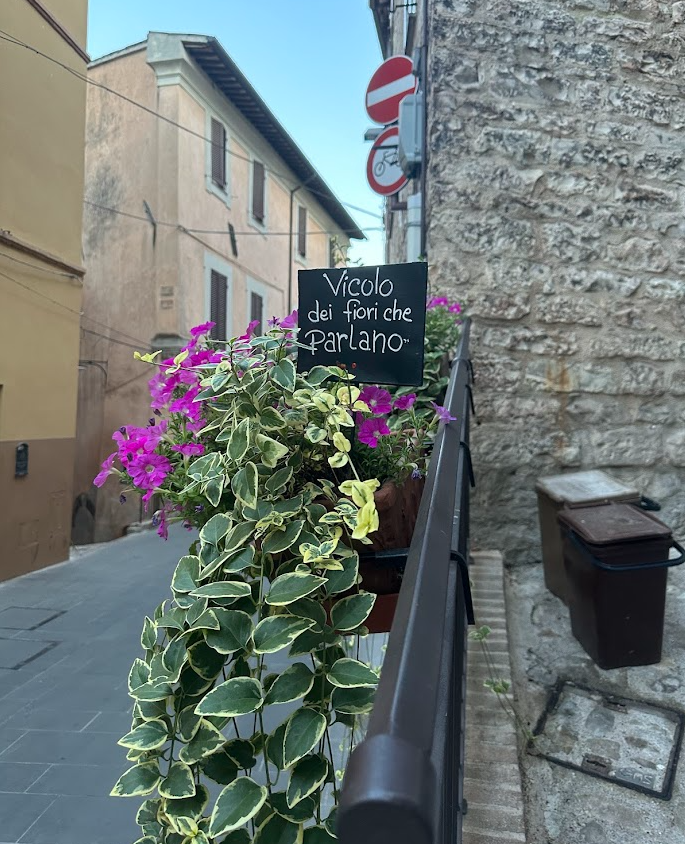
Tucked away in the province of Perugia, Spello is a historic town with a population of around 8,200 residents. Medieval walls encircle the town, while flower-filled alleys wind through cobbled streets.
I first discovered Spello on YouTube while searching for quiet destinations between Rome and Florence—a respite from the summer tourist crowds. The town is widely known for its flower festival, when streets transform into carpets of vibrant petals. Though I missed the festival, Spello still exceeded my expectations: a peaceful retreat and the perfect pit stop on my journey through Perugia.
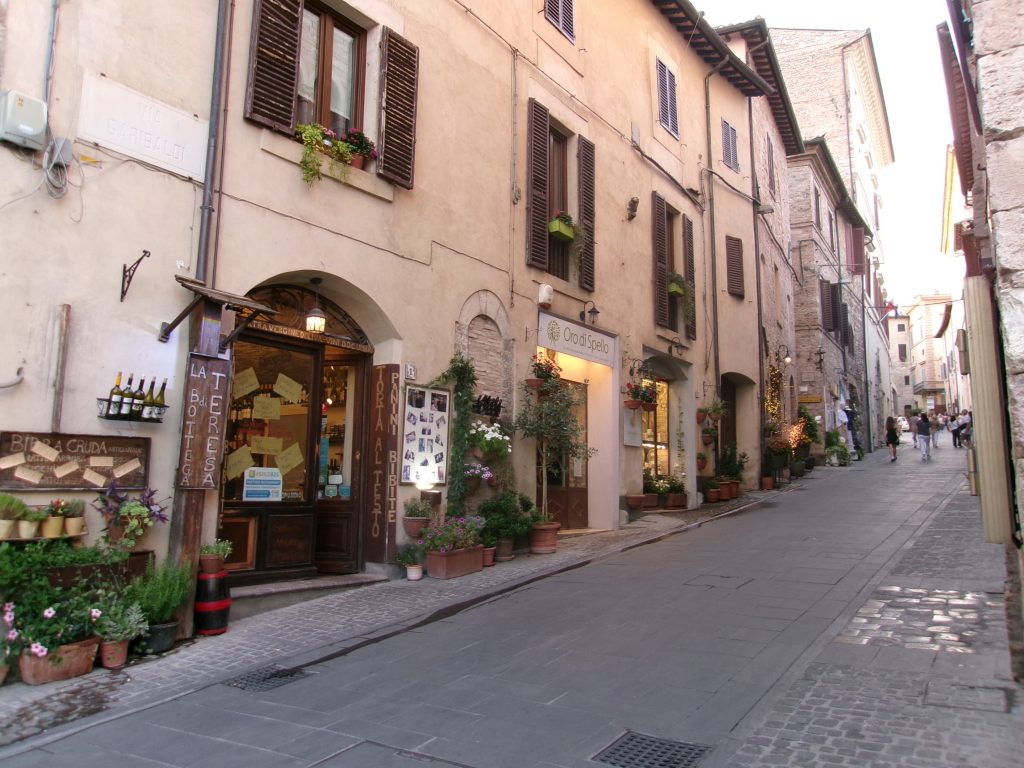
We were there just for one evening, strangely enough, it became one of the more memorable destinations of the trip. After some unnecessary stress with just about everything involved with Trenitalia, we finally made it after a long journey from Ravello.
The train ride from Roma Termini travels through the Umbrian countryside, often called Italy’s “Green Heart”. The journey felt notably secluded for July – our carriage was empty, and very few trains passed by my window. We took an old Regionale Veloce train to Spello, and for those planning the same route: learn how to open those train doors beforehand. I claim our carriage’s lever was jammed, which is why we missed our stop – though I may be conveniently ignoring the truth of that situation. Those Italian trains certainly aren’t as wonderful as the SBB!

While walking through the narrow alleys, I found myself wondering: where is everybody? Upon arriving at our hotel, new questions emerged: where’s the reception? Who owns this place? The building was a converted house with multiple rooms—resembling an Airbnb more than a traditional hotel. Perhaps I’d missed the check-in instructions, but both the gate and front door stood open, so someone had to be home. I heard chatter drifting up from below the entrance. After ringing the doorbell and calling out with no response, I ventured down the stairs and found myself in what could only be described as a random nonna’s cluttered garage. To my left hung one of those beaded curtain doorways—I had no idea what lay beyond. Sticking my head through, I spotted an elderly man on a couch watching TV. Suddenly, the owner rushed out—a wonderful woman who spoke no English. I was impressed; her Hotels.com listing had looked quite professional. She seemed ecstatic to have guests, something I suspect doesn’t happen too often there. After exchanging greetings and names, she graciously ushered us to our room without issue. One quirk about Italian hotels: they often ask for passports at check-in, and the owner clearly warmed to us even more upon seeing an Italian passport.
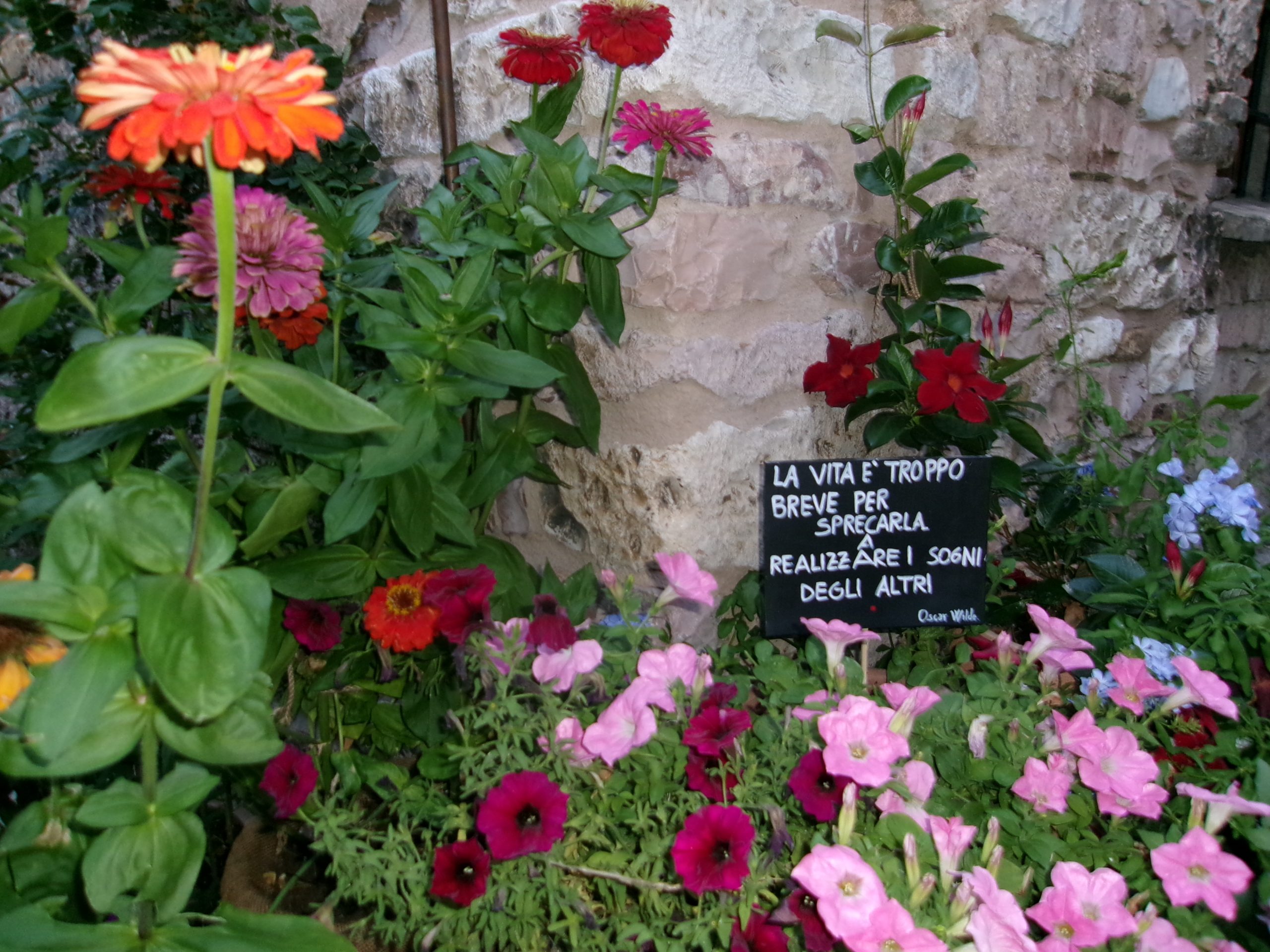
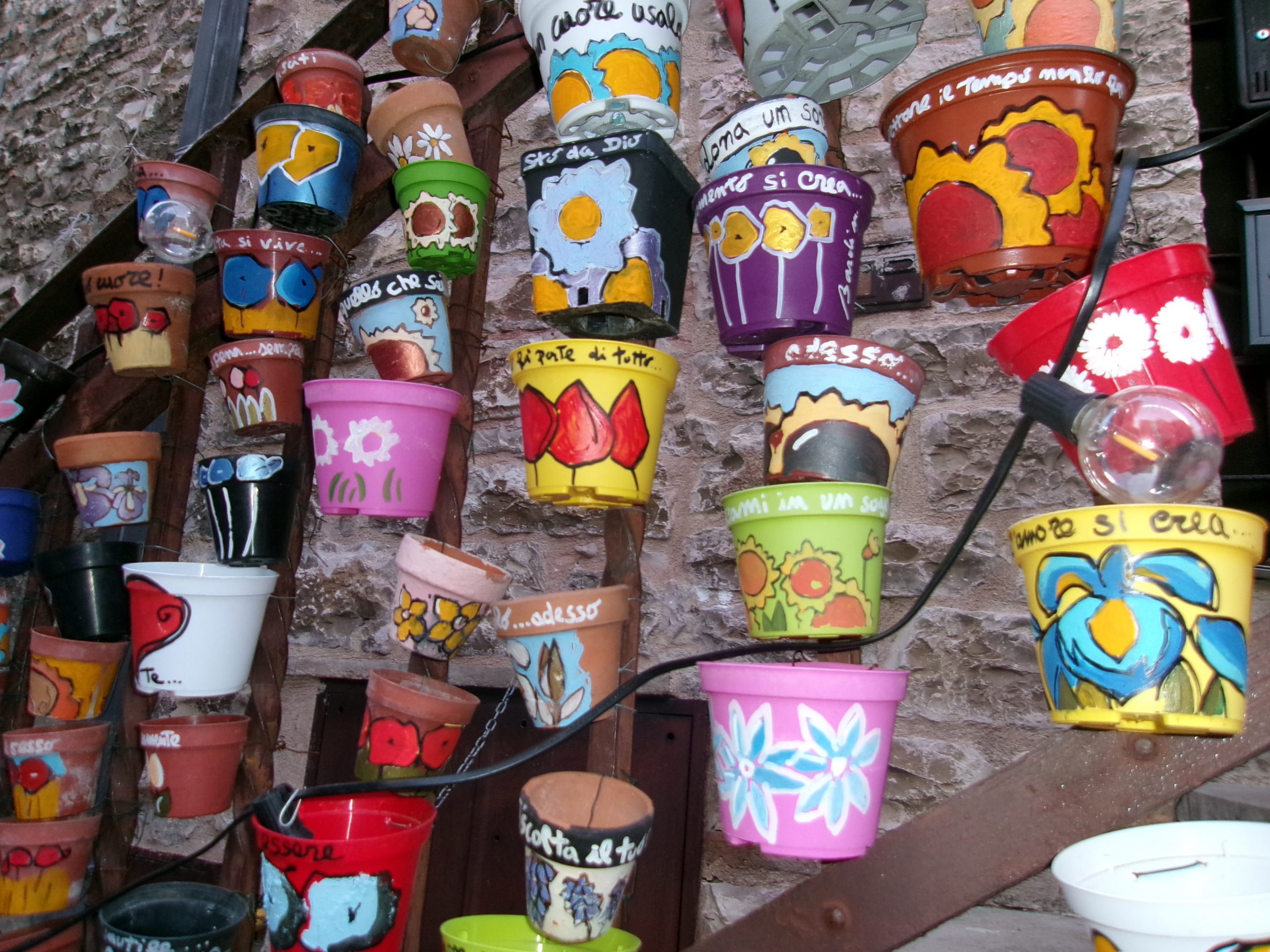
After settling in, we toured the town on foot—something you can do quickly, as Spello isn’t large. My main inspiration for visiting was to see the beautiful flowers nestled in the narrow alleys. Beyond the city walls, vineyards and fields stretch into the near distance, giving way to rolling hills that seemed made for a castle. It was lovely—a worthy pit stop on our two-week journey through Italy. For peak season, the streets were remarkably quiet, which made the experience feel even more special. The flowers aren’t confined to one designated street; locals scatter them throughout the town, a touch that reveals genuine pride in their community rather than staged decoration for tourists.
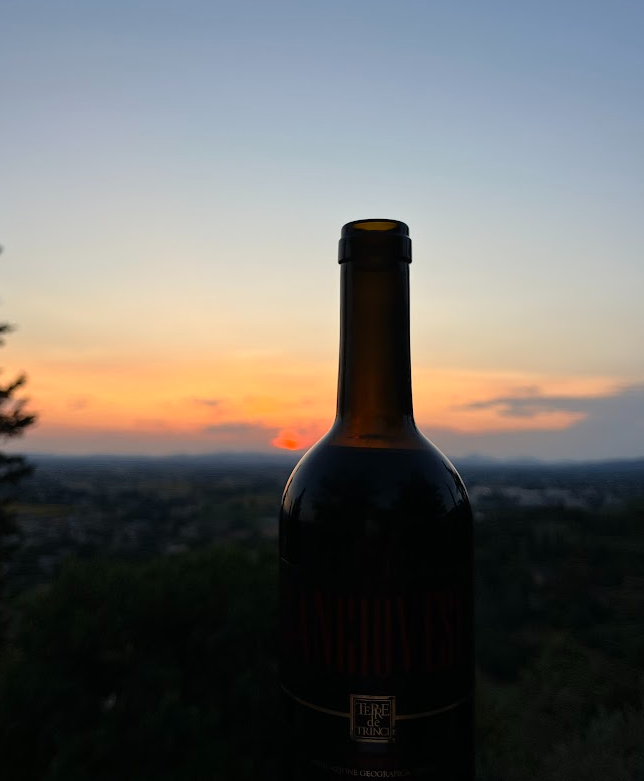
To end the evening, I purchased a cheap bottle of Sangiovese—far too inexpensive for how good it was—and watched the sunset from Spello’s north side. In the distance, a thunderstorm began to form, making the scene even more captivating. There’s something special about a long chat on a crooked European bench overlooking a sunset, sipping cheap wine, and forgetting the rest of the world exists. Ah, the European life.
Unfortunately, what awaited us in the next morning was an upcoming Trenitalia strike, hooray. Our plans were to visit Siena the following day, and fortunately, we’d booked a FlixBus for the journey. The only problem: we needed to reach Assisi to catch that bus. Normally, trains run between the two cities every 30 minutes on weekdays, but with the strike looming, both Google Maps and the Trenitalia website offered little clarity. A taxi would have cost over 60 euros—and finding one in Spello at 7 a.m. seemed unlikely. So we decided to sleep on it, setting an alarm for 4 a.m. to check train times then.
Funnily enough, I didn’t need an alarm—I woke around 2 a.m. to the loudest thunderstorm I’ve ever experienced, directly overhead. It was loud enough to add to this blog post. It felt almost unsafe, yet there was nowhere to go. I’ve always enjoyed the phrase “the gods are angry” for particularly intense thunder, but this was next-level. Spello felt like a ghost town, and the storm only deepened that sense of isolation. The gods of Perugia were clearly displeased. I couldn’t sleep for the rest of the night—not from fear, but because the sheer volume kept me awake. Looking back, I actually enjoyed the whole experience. There was something thrilling about being stuck in this deserted little town, trapped by a massive storm. We waited for it to pass, knowing our next problem was already looming: could we even catch a train out with the strike happening?
The evening passed, as did the storm. Thankfully, we managed to catch the only morning train that would get us out on time—departing at 6:45 a.m.
One night in Spello became a trip I won’t soon forget. Between missing our stop due to a mysteriously jammed door lever, stumbling into a nonna’s garage-turned-hotel reception, wandering empty flower-lined alleys in peak season, and being jolted awake by the loudest thunderstorm I’ve ever experienced—all while a national train strike loomed—it was hardly the peaceful pit stop I’d envisioned. But those are the moments that stick with you. Spello may be a quiet town tucked into the Umbrian hills, but it gave me a story worth telling—and a sunset over vineyards with cheap Sangiovese that made it all worthwhile.
Leave a Reply