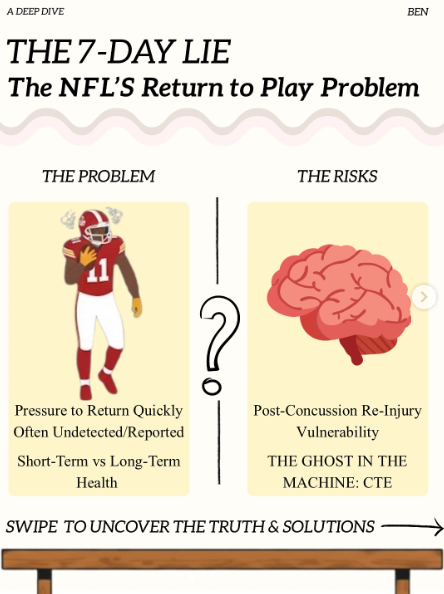
While football’s physical demands are widely recognized, emerging injury data exposes a troubling trend: external pressure for rapid recovery is driving premature clearance from concussion protocols, placing players’ long-term neurological health at serious risk.
The stakes are high. Undetected or unreported concussions create compounding dangers when athletes face pressure to return prematurely. Early return dramatically increases re-injury vulnerability and the risk of developing Chronic Traumatic Encephalopathy (CTE), compromising both immediate player safety and lifelong brain health.
Athletic environments must prioritize safety above all else. Safe Sport—defined as a respectful, equitable environment free from non-accidental violence against athletes (Mountjoy et al., 2016)—is non-negotiable. Without robust Safe Sport protocols, inadequate safety measures create a culture where athletes conceal injuries and rush back to competition, perpetuating a dangerous cycle.
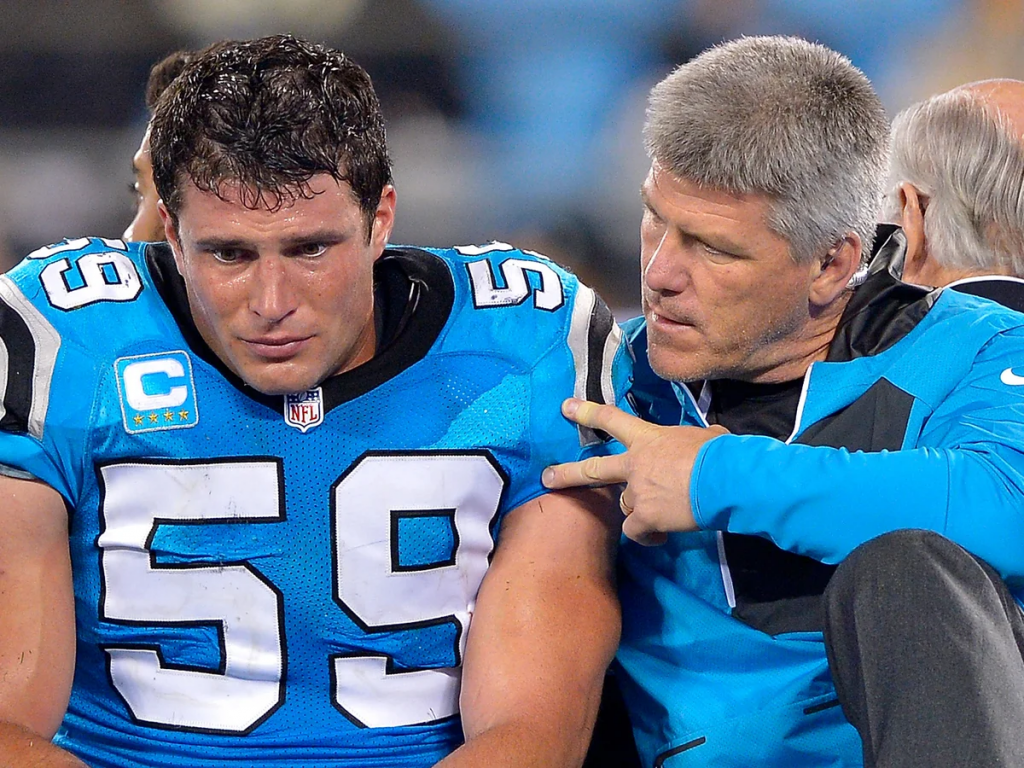
The Major Problem: Players Are Returning To Play Prematurely
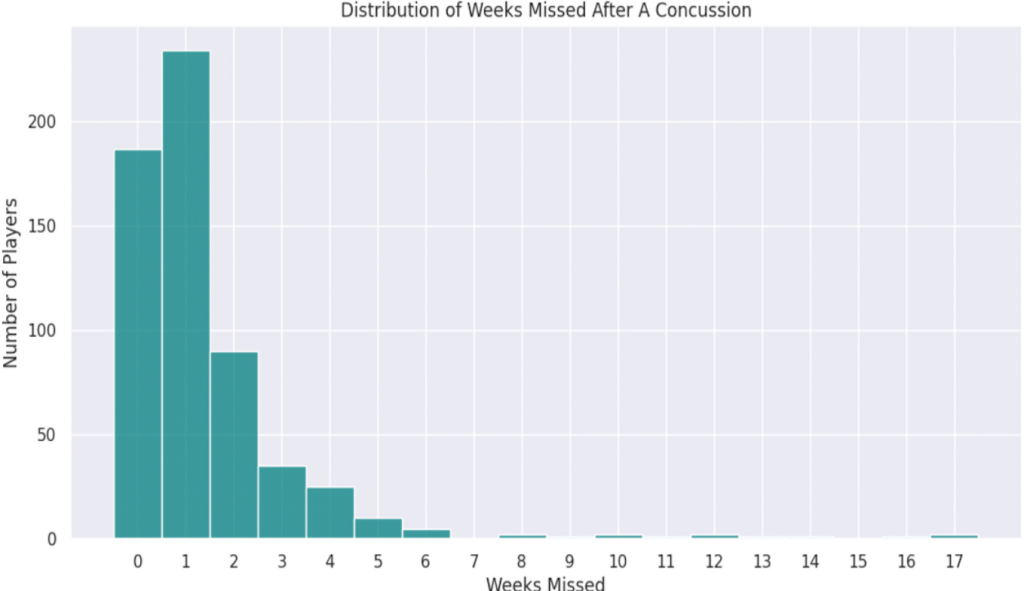
Data from O’Malley et al. reveals alarming return-to-play trends across the NFL. Between 2019 and 2023, 31% of concussed players returned to play without missing a single game, while 39% missed just one game and only 30% sat out two or more games. That is a pretty ridiculous statistic.
The statistics become more concerning when examining broader trends. Following Tua Tagovailoa’s high-profile 2022 injury, the concussion rate per game increased from 0.429 to 0.521—a 21% rise that suggests either improved detection or escalating risk.
One encouraging development: player self-reporting has more than doubled, climbing from 19% in 2019 to 43% in 2023. This shift indicates growing awareness, though it also raises questions about how many concussions previously went unreported.Concussed NFL players from 2019-2023:
The Major Risks: Same-Year Repeat Concussions
NFL players are returning from concussion injuries too soon. The consequences: a repeat concussion.
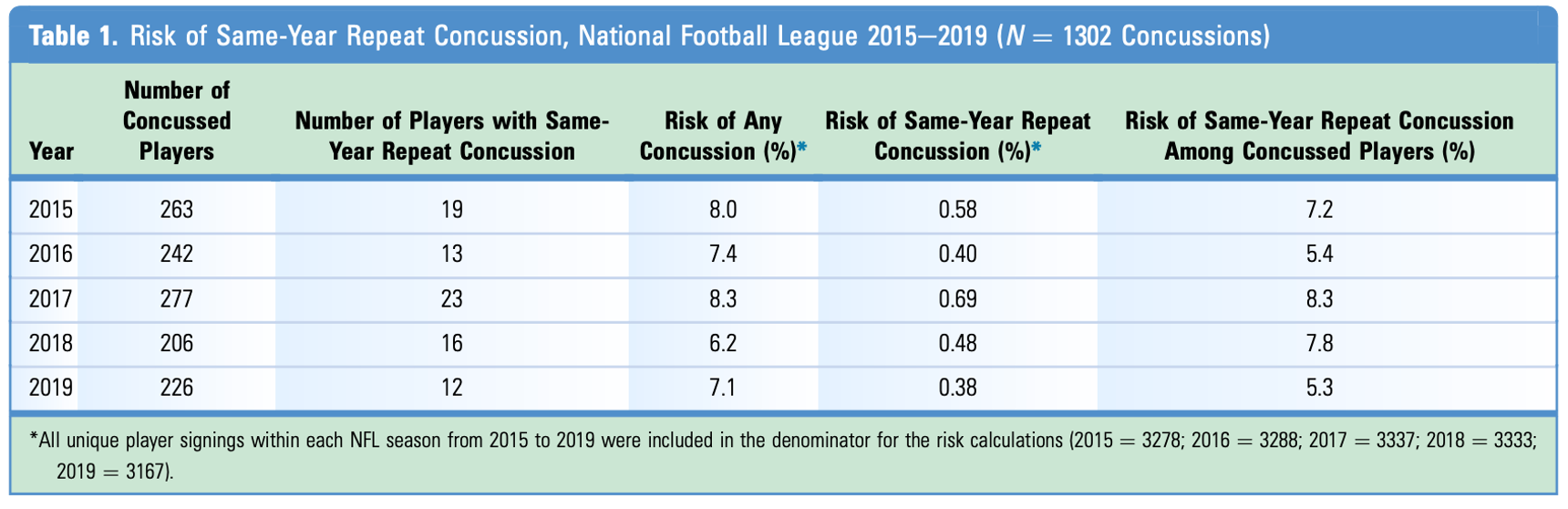
NFL data from 1,302 concussions (2015-2019) reveals a stark disparity: while league-wide concussion risk held steady at 6.2-8.3% annually, previously concussed players faced same-year recurrence rates of 5.3-8.3%—peaking at 8.3% in 2017.
The timing is critical. Cools et al. (2022) found that 89.8% of repeat concussions occurred within four weeks of the initial injury, with 2.8% happening within the same week. Only 7.4% occurred after four weeks.
The implication is clear: the acute recovery window represents maximum vulnerability. Premature return-to-play decisions don’t just risk re-injury—they virtually guarantee exposure during the brain’s most fragile state.
What Is the Main Issue That NFL Players Currently Suffer From Post-Concussion?
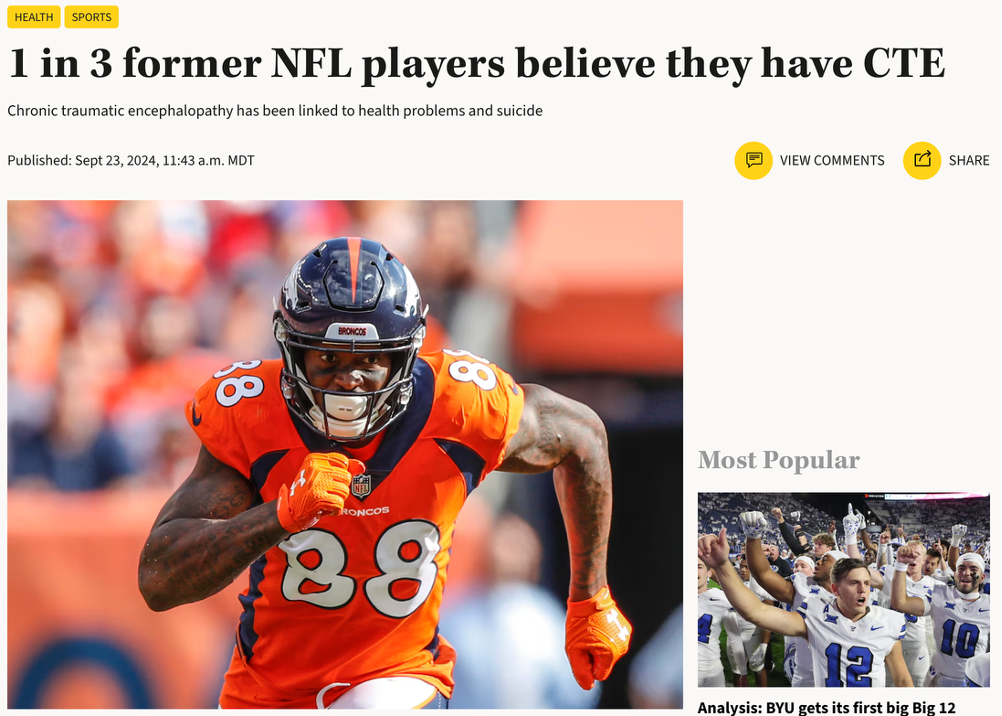
1 in 3 former NFL players believe they have CTE. Among 4180 former NFL players studied, 34.4% of them reported perceived CTE. Of this 34.4%. 24.4% of NFL players had an increased prevalence of suicidality and were more likely to have health problems associated with cognitive impairment (Grashow, 2024).
What Are The Solutions?
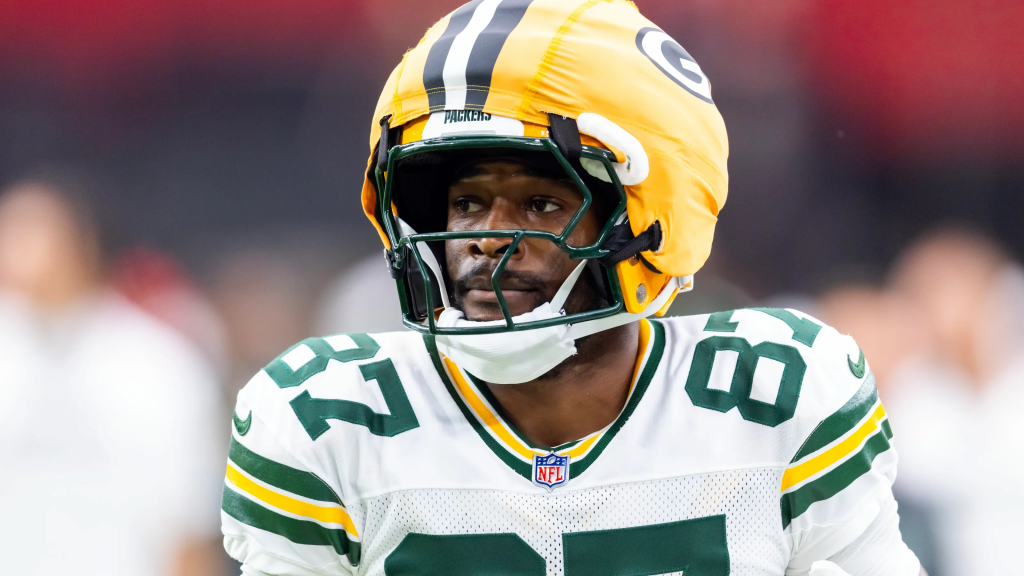
According to NFL executive VP Jeff Miller, we saw up to 50% reduction in pre-season concussions with the use of guardian caps. Because of the soft shell which is layered on top of the helmet, the cap reduces the impact of a hit to the head by about 20% if both players are wearing it.
The Controversy:
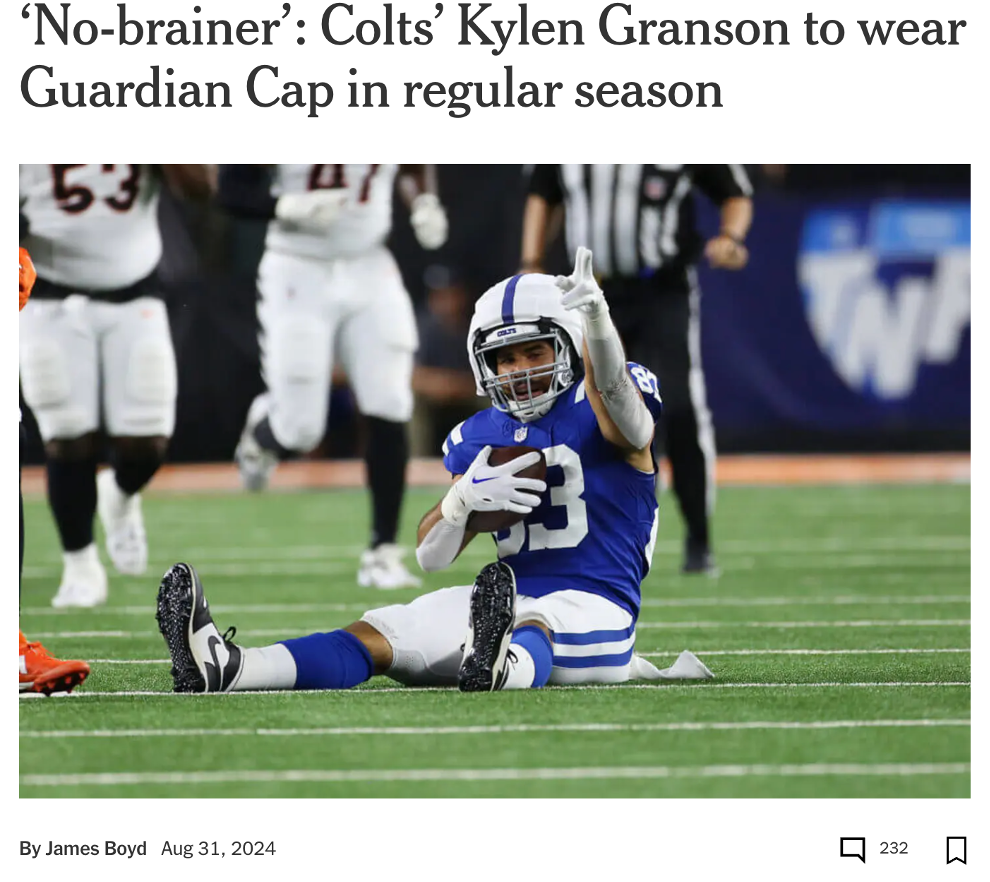
Fans often make the argument that guardian caps look bad for the game but then you can ask yourself the question, what’s more important? Health and safety or aesthetics? For Kylen Granson, TE of the Indianapolis Colts, he makes a point saying this is bigger than looking cool. After suffering a concussion himself, he found it most important to protect himself for the rest of his career. “At one point people thought seatbelts were f__ing stupid” (Boyd, 2024).
Conclusion:
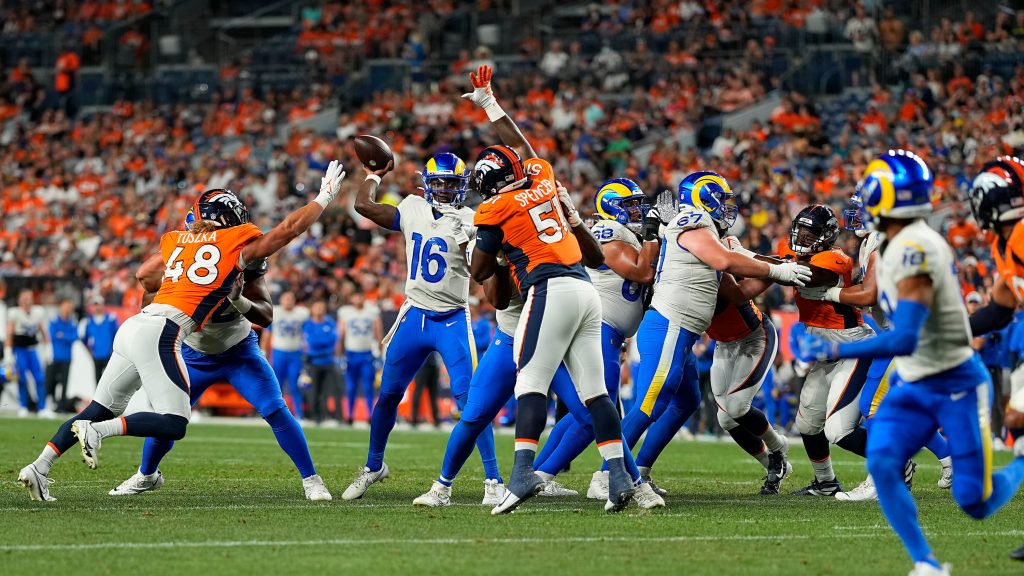
Current return to play timelines have been dangerously accelerated. Given the elevated re-injury risk and potentially irreversible neurological consequences, the cost of premature participation far outweighs competitive considerations. Mandating Guardian Caps would directly address the alarming injury rates identified in this research, offering a tangible safety intervention that could reduce concussion frequency and protect players during their most vulnerable recovery periods.
Sources
Cools, M., Zuckerman, S. L., Herzog, M., Mack, C., Lee, R. Y., Solomon, G. S., & Sills, A. K. (2022). Same-Year Repeat Concussions in the National Football League: Trends from 2015 Through 2019. World Neurosurgery, 161, e441–e447. https://doi.org/10.1016/j.wneu.2022.02.033
Grashow, R., Terry, D. P., Iverson, G., DiGregorio, H., Dairi, I., Brown, C., Atkeson, P. S., Whittington, A. J., Reese, L., Kim, J. H., Taylor, H. A., Speizer, F., Daneshvar, D., Zafonte, R., Weisskopf, M. G., & Baggish, A. (2024). Perceived Chronic Traumatic Encephalopathy And Suicidality In Former Professional American-style Football Players 2513. Medicine & Science in Sports & Exercise, 56(10S), 923. https://doi.org/10.1249/01.mss.0001060708.57660.8a
O’Malley GR, Sarwar SA, Posner KM, Polavarapu H, Adams D, Cassimatis ND, Munier S, Hundal JS, Patel NV. Analysis of Concussions Reported in American Professional Football Injury Reports in the 2019 Through 2023 Regular Seasons. World Neurosurg. 2024 Jul;187:e1004-e1010. doi: 10.1016/j.wneu.2024.05.026. Epub 2024 May 11. PMID: 38735562.
Check my Instagram for the original post!
I use Bench Metrics to add some flavor to these findings with creative graphics and engaging posts.